
1) Cancer Rip Off door Max Sturman
- Waarom is kanker nog altijd niet opgelost, na zoveel jaar, zoveel geld, en zoveel onderzoek?
With all this money allotted to cancer research, with the hundreds of cancer research foundations and societies, and with the thousands of individuals delving into research to find the cure, you would think someone would come up with some valid answers—but such has not been the case. - Al 100 jaar gebruikt de medische gemeenschap dezelfde methoden:
For the past 100 years, the medical community has been using the same methods: surgery, chemotherapy, radiation, and medication primarily. Of course, they have increased the number of tests (which they claim is preventive), however some of these tests have proven over time to be not only invalid, but they actually contribute to aggravating a condition that was already serious before the tests.
Mainstream medicine’s approach has been: cut it (surgery), burn it (radiation), poison it (chemotherapy). This protocol has been unquestioned since the late 1800s—but hasn’t proved to be effective! Rid the body of cancer cells! - Tijdige "Screening" heeft niet geleid tot een oplossing, integendeel. Het leidde enkel tot overdiagnostiek en onnodige behandelingen:
Over 1,000,000 men have been diagnosed and treated for prostate cancer since the prostate-specific antigen screening was introduced in the 1980s. These men didn’t benefit from early detection, in fact, prostate cancer screening has resulted in substantial overdiagnosis and unnecessary treatment, according to reports by the National Cancer Institute (NCI) and the American Cancer Society (ACS). The increase in screenings and early detection have done nothing to reduce the incidence of prostate cancer. The excess incidence and overdiagnosis has been highest in men under 50 years old. Investigators of a study conducted between 1986 and 2005 saw the occurrence of prostate cancer rise 25%. And only one death is averted for every 20 men who are overdiagnosed. Many men have undergone unnecessary treatment and other difficulties due to overdiagnosis. These patients were needlessly exposed to the hassle factors of obtaining treatment, the financial implications of the diagnosis, and the anxieties associated with becoming a cancer patient, according to the authors of the NCI study. - De lotgevallen van de American Cancer Society (of: waar wordt uw geld werkelijk voor gebruikt):
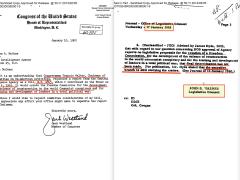
A 1992 article in the Wall Street Journal by Thomas DiLorenzo, professor of economics at Loyola College and veteran investigator of nonprofit organizations, revealed that the Texas affiliate of the ACS owns more than $11 million worth of assets in land and real estate, as well as more than 56 vehicles, including 11 Ford Crown Victorias for senior executives and 45 other cars assigned to staff members. Arizona’s ACS chapter spent less than 10% of its funds on direct community cancer services. In California, the figure was 11% and in Missouri, it was under 9%. Thus for every $1 spent on direct service, approximately $6.40 is spent on compensation and overhead. In a sampling of 10 states, salaries and fringe benefits are by far the largest single budget items, a surprising fact in light of the characterization of the appeals, which stress an urgent and critical need for donations to provide cancer services. Nationally, only 16% or less of all money raised is spent on direct services to cancer victims, like driving cancer patients from the hospital after chemotherapy and providing pain medication with about 26% of its budget spent on medical research and programs.
Most of the funds raised by the ACS go to pay overhead, salaries, fringe benefits, and travel expenses for its national executives in Atlanta. They also go to pay chief executive officers, who earn six- and seven-figure salaries in several states and to the hundreds of other employees who work out of some 3,000 regional offices nationwide. The typical ACS affiliate, which helps raise the money for the national office, spends more than 52% of its budget on “operating expenses” for salaries, pensions, executive benefits, and overhead for its own employees. Salaries and overhead for most ACS affiliates also exceeded 50%, although most direct community services are handled by unpaid volunteers. DiLorenzo summed up his findings by emphasizing the hoarding of funds by the ACS.
The American Cancer Society’s two CEOs earned $1,027,306 and $685,884. The ACS income statement indicates 7% for administrative expenses, 20% for fundraising, and 73% for program costs for the fiscal year ending August, 2008. The CEO of Susan G. Komen for the Cure earned $459,400 for the year ending March, 2008. That salary plus other administrative costs equaled 8% (or $2.4 million) of the $305,409,624 income for the year. The CEO of the Cancer Research Institute reported earnings of $346,400 for the fiscal year ending June, 2009. Total administrative costs were 7.5% of $11 million in earnings or $825,000.
How can these enormous figures be true, and yet the aggressive fund-raising campaigns continue to plead poverty and lament the lack of available money for cancer research? Why are the top research fund raisers ignoring efforts to prevent cancer by phasing out avoidable exposures to environmental and occupational carcinogens?
Meanwhile, the ACS is silent about its intricate relationships with the wealthy cancer drug, chemical, and other industries. A March 30, 1998 Associated Press Release shed unexpected light on questionable ACS expenditures on lobbying. National vice president for federal and state governmental relations Linda Hay Crawford admitted that the ACS was spending “less than $1 million a year on direct lobbying”. She also admitted that over the last year, the Society used 10 of its own employees to lobby. - De lotgevallen van de ACS, vervolg (of hoe een instituut ter bestrijding van kanker allerei kankerbevorderende initiatieven ondersteund):
This history of the ACS’s unresponsiveness is a long and damning one, as shown by the following examples: 1. In 1971, when studies unequivocally proved that diethylstilbestrol (DES) caused vaginal cancers in teenage daughters of women administered the drug during pregnancy, the ACS refused an invitation to testify at Congressional hearings to require the FDA (U.S. Food and Drug Administration) to ban its use as an animal feed additive. It gave no reason for its refusal. 2. In 1977 and 1978, the ACS opposed regulations proposed for hair coloring products that contained dyes known to cause breast and liver cancer in rodents. In so doing, the ACS ignored virtually every tenet of responsible public health as these chemicals were clear-cut liver and breast carcinogens. 3. In 1977, the ACS called for a Congressional moratorium on the FDA’s proposed ban on saccharin and even advocated its use by nursing mothers and babies in “moderation” despite clear-cut evidence of its detrimental effect on in rodents. This reflects the consistent rejection by the ACS of the importance of animal evidence as predictive of human cancer risk. 4. In 1978, Tony Mazzocchi, then senior representative of the Oil, Chemical, and Atomic Workers International Union, stated at a Washington, D. C., round table between public interest groups and high-ranking ACS officials, “Occupational safety standards have received no support from the ACS”. 5. In 1978, Congressman Paul Rogers censured the ACS for doing “too little, too late” in failing to support the Clean Air Act. 6. In 1982, the ACS adopted a highly restrictive cancer policy that insisted on unequivocal human evidence of carcinogenicity before taking any position on public health hazards. Accordingly, the ACS still trivializes or rejects evidence of carcinogenicity in experimental animals, and has actively campaigned against laws (the 1958 Delaney Law, for instance) that ban deliberate addition to food of any amount of any additive shown to cause cancer in either animals or humans. The ACS still persists in an antiDelaney policy, in spite of the overwhelming support for the Delaney Law by the independent scientific community. 7. In 1983, the ACS refused to join a coalition of the March of Dimes, American Heart Association, and the American Lung Association to support the Clean Air Act. 8. In 1992, the ACS issued a joint statement with the Chlorine Institute in support of the continued global use of organ chlorine pesticides—despite clear evidence that some were known to cause breast cancer. In this statement, Society vice president Clark Heath, M.D., dismissed evidence of this risk as “preliminary and mostly based on weak and indirect association”. Heath then went on to explain away the blame for increasing breast cancer rates as due to better detection: “Speculation that such exposures account for observed geographic differences in breast cancer incidence or for recent rises in breast cancer occurrence should be received with caution; more likely, much of the recent rise in incidence in the United States…reflects increased utilization of mammography over the past decade.” 9. In 1992, in conjunction with the NCI, the ACS aggressively launched a “chemoprevention” program aimed at recruiting 16,000 healthy women at supposedly “high risk” of breast cancer into a 5-year clinical trial with a highly profitable drug called Tamoxifen. This drug is manufactured by one of the world’s most powerful cancer drug industries, Zeneca, an offshoot of the Imperial Chemical Industries. The women were told that the drug was essentially harmless and that it could reduce their risk of breast cancer. What the women weren’t told was that Tamoxifen had already been shown to be a highly potent liver carcinogen in rodent tests, and also that it was well-known to induce human uterine cancer. 10. In 1993, just before PBS Frontline aired the special “In Our Children’s Food”, the ACS came out in support of the pesticide industry. In a damage-control memorandum sent to some 48 regional divisions, the ACS trivialized pesticides as a cause of childhood cancer and reassured the public that carcinogenic pesticide residues in food are safe, even for babies. When the media and concerned citizens called local ACS chapters, they received reassurances from an ACS memorandum by its vice president for Public Relations. “The primary health hazards of pesticides are from direct contact with the chemicals at potentially high doses, for example, farm workers who apply the chemicals and work in the fields after the pesticides have been applied and people living near aerially sprayed fields…The American Cancer Society believes that the benefits of a balanced diet rich in fruits and vegetables far outweigh the largely theoretical risks posed by occasional, very low pesticide residue levels in foods.” 11. In September 1996, the ACS together with a diverse group of patient and physician organizations, filed a “citizen’s petition” to pressure the FDA to ease restrictions on access to silicone gel breast implants. What the ACS did not disclose was that the gel in these implants had clearly been shown to induce cancer in several industry rodent studies, and that these implants were also contaminated with other potent carcinogens such as ethylene oxide and crystalline silica. - De kosten van het behandelen van kanker zijn gigantisch, net als de belangenvermengingen:
The politics and economics of cancer treatment are astounding. Cancer treatment reaches nearly $100 billion annually. The chemotherapy part of that in 1995 was $8.5 billion. Looking at it from another angle: the Bristol Myers company owns patents on 12 of the nearly 40 “FDA-approved” chemotherapy drugs. The president, the past president, the chairman of the board, and several directors of Bristol Myers all hold positions on the board at Memorial Sloan-Kettering Cancer Center. - Alternatieve behandelingen worden weggepest en initiatieven voor preventie van kanker zijn minimaal:
Periodically, the committee updates its statements on “unproven methods”, which are then widely disseminated to clinicians, cheerleader science writers, and the public. Once a clinician or oncologist becomes associated with unproven methods, he or she is blackballed by the cancer establishment. Funding for the accused “quack” becomes inaccessible, followed by systematic harassment.
According to Dr. James Gordon, president of the Center and chair of the Program Advisory Council of the National Institute of Health Office of Alternative Medicine, the object of the conference was to bring together practitioners of mainstream and alternative medicine, with cancer patients and high-ranking officials of the ACS and NCI. Dr. Gordon warned alternative practitioners that “they’re going to need to get more rigorous with their work to be accepted by the mainstream community”. However, no such warning was directed at the highly questionable claims by the NCI and ACS for the efficacy of conventional cancer chemotherapy. As significantly, criticism of the establishment’s minimalistic priority for cancer prevention was effectively discouraged. - Screening & behandelingen vooroorzaken veel schade:
“Screening for cancer means that tens of thousands of patients who never would have become sick are diagnosed with this disease”, says H. Gilbert Welch, MD, of the Veterans Affairs Medical Center in Vermont. “Once they’re diagnosed, almost everybody gets treated—and we know that treatment can cause harm.” For example, Tamoxifen for breast cancer can trigger life-threatening clots in the lungs. Prostate cancer surgery leaves 60% of men with erection problems. And even the screening tests carry risks: up to 5 out of every 1,000 people who get a colonoscopy have serious complications such as colon perforation or bleeding.
Forget the fact that unnecessary cancer therapies are a tremendous drain on our health care budget. “Many oncologists would probably tell you that they’ve had patients who suffered serious side effects, even death, from treatment that they might not have needed,” says William C. Black, MD, professor of radiology at Dartmouth-Hitchcock Medical Center. And cancer screenings aren’t all that effective. Only the PAP smear has shown a decrease in deaths from cervical cancer by 74%. In contrast mammograms have been shown to cut the risk of death from breast cancer by only 15%.
2) Cancer and the New Biology of Water door Thomas Cowan
- Chemotherapie verlengt levensverwachting niet in geval van longkanker:
Dr. Abel’s major finding, meticulously arrived at, was that other than lung cancer, and small-cell lung cancer in particular, there is no direct evidence that chemotherapy prolongs survival in patients with advanced carcinoma. 2 Abel went on to say that even with lung cancer, the benefit of chemotherapy is “at best rather small.”3 As Abel later stated, “Success of most chemotherapies is appalling.… There is no scientific evidence for its ability to extend in any appreciable way the lives of patients suffering from the most common organic cancer.… Chemotherapy for malignancies too advanced for surgery, which accounts for 80% of all cancers, is a scientific wasteland.” - Behandelingen doen tumoren verdwijnen, maar maken het op LT vaak erger:
As would be expected, the oncology powers that be fought against Abel’s conclusions, and even attacked his character. But in doing so, they made something important very clear: Researchers often measure the success of chemotherapy by whether or not a tumor shrinks and, if so, by how much—not whether or not it prolongs the survival of the patient. The problem is that shrinkage of the tumor doesn’t necessarily relate to improvement in outcomes. For example, it is well known that using anti-androgen therapy for prostate cancer (i.e., hormones) quickly selects for cancer cells that are independent of testosterone (i.e., they don’t need testosterone to grow). So by giving anti-testosterone drugs, initially the tumor shrinks, and a study may measure that initial shrinkage, but the residual tumor cells “learn” to grow without testosterone, and they quickly resume growing more aggressively than the initial cancer. We see this initial shrinkage with chemotherapy treatment for other types of cancer, too. - Onderzoek: de bijdrage van chemotherapie aan de overlevingskansen van de patiënt is bijna nul, maar vermindert wel de levenskwaliteit in aanzienlijke mate:
“The overall contribution of curative and adjuvant cytotoxic chemotherapy to 5-year survival in adults was estimated to be 2.3% in Australia and 2.1% in the USA.” In other words, almost nothing. At the cost of an often dramatically decreased quality of life. The authors concluded that “cytotoxic chemotherapy only makes a minor contribution to cancer survival. To justify the continued funding and availability of drugs used in cytotoxic chemotherapy, a rigorous evaluation of the cost-effectiveness and impact on quality of life is urgently required.” It is significant to note that the 2.3 percent and the 2.1 percent refer to all stages, not just advanced-stage cancer. - Kankerbestrijding: veel middelen, weinig resultaten:
By 2009, according to New York Times health writer Gina Kolata, the National Cancer Institute alone, to say nothing of other government agencies, universities, drug companies, and philanthropies, had spent $105 billion since the War on Cancer began, and the return on that investment was a drop in the death rate of only 5 percent between 1950 and 2005. Compare this, Kolata suggested, to the death rate for heart disease, which fell 64 percent during the same time period, or the death rate for flu and pneumonia, which fell 58 percent during the same time period. Kolata reported that only 20 percent of patients with metastatic breast cancer, 10 percent with metastatic colorectal cancer, 30 percent with metastatic prostate cancer, and fewer than 10 percent with lung cancer live more than five years. More significantly, none of these numbers has changed much in the past forty years. “Still,” Kolata wrote, “the perception fed by the medical profession and its marketers, and by popular sentiment, is that cancer can almost always be prevented. If that fails, it can usually be treated, even beaten.” - Kankercellen: hoe werkt dat?
The most important organelle to understand when it comes to the etiology of cancer is not the nucleus, but the mitochondria.
The cell, like any system in nature, needs energy to do work. Work, in this case, refers to any process in the cell. Mitochondria are the energy factories of the cell that fuel these processes. Thought to originate from primitive bacteria that eons ago merged with the developing mammalian cells via symbiogenesis, these mitochondria are the site of oxidative phosphorylation, the process our cells use to produce the energy needed to run all their functions. The goal and steps of the oxidative phosphorylation process are to generate ATP, the energy molecule used by the cell to fuel all other cellular processes. Oxidative phosphorylation generates thirty-six ATP molecules for each glucose molecule that enters the pathway. Simply put, our cells use glucose to produce energy via a biochemical pathway housed in our mitochondria, but we also have a second pathway for generating energy, glycolysis (essentially fermentation), which is crucial to understanding the genesis of cancer. This glycolytic pathway is used by primitive organisms such as yeast to generate energy, and mammalian cells will switch to the glycolytic pathway instead of oxidative phosphorylation when there is not enough oxygen and oxidative phosphorylation cannot proceed, or when there is some defect in the oxidative phosphorylation pathway itself.
The glycolytic pathway is much less efficient in generating ATP than oxidative phosphorylation. In fact, glycolysis generates only two molecules of ATP per glucose molecule, as opposed to the thirty-six generated through oxidative phosphorylation. Furthermore, glycolysis doesn’t fully break down glucose into water and carbon dioxide (CO2), as oxidative phosphorylation does; the glycolytic pathways produce toxic by-products, including alcohol and lactic acid. While this is good for wine and beer production, it is not good for our cells. This process is known as the Warburg effect, after the German doctor, physiologist, and Nobel laureate Otto Warburg, who first described it in 1924.
But here’s where it gets interesting: When researchers transplant nuclei from cancer cells into cells with healthy cytoplasm, the resulting progeny were healthy cells with no sign of cancer. When researchers reversed direction and transplanted healthy nuclei from noncancerous cells into the cytoplasm of cancerous cells, the resulting progeny were cancerous cells.1 Interestingly, the researchers speculate on possible mechanisms that enabled the cytoplasm to “heal” the mutations that occurred in the cancerous nuclei.
In other words, they don’t seem to entertain the possibility that somatic mutations don’t drive cancer to begin with. This example shows how powerful the genetic paradigm is: It determines what we are able to see and how we interpret the facts.
The main flaw, noted by Seyfried himself, is that no matter how few carbohydrates or even how little food someone eats—even if patients go on a complete water fast for days—the body’s mechanisms for blood-sugar regulation keep blood glucose from dropping to levels that would be effective in killing cancer cells. This is why Dr. Seyfried seems adamant that we need to use blood-sugar-lowering drugs or medicines to augment fasting and the ketogenic diet. Unfortunately, no such safe or reliable drug exists.
What Ling discovered is that ATP, the so-called energy molecule, does not produce energy at all but rather plays the role of heat in biological systems. Specifically, ATP binds to the end of the intracellular structural proteins, unfolding them, therefore allowing them to bind with the water in the cells to form gels. Without ATP, no gel forms and the function of the cell collapses. This vital but misunderstood role of ATP in biological systems will become crucial in our understanding of the cancer process.
If we have cells without the proper spatial orientation, but they are diploid (have a normal number of chromosomes), we have a benign tumor or a cyst. If we generate aneuploid cells that cannot maintain proper spatial relationships to other cells, we have a malignant tumor. The clinical disease we call cancer occurs when there is a combination of these two defects, aneuploid cells that cannot support proper spatial orientation. - Waarom dit boek?
- omdat het bestuderen van alternatieve therapieën inzicht kunnen geven in hoe kanker precies werkt
- omdat hoewel amper 0,01% van het geld besteed wordt aan deze alternatieven, terwijl ze wellicht veel betere resultaten opleveren
One of my reasons for writing this book is my hope that if we examine which therapies have actually worked, from the cytoplasmic perspective, in treating cancer patients, we can begin to not only understand the disease more fully, but also be able to consciously map out an effective strategy for far more people. Another reason I’m writing this book is to point out the remarkable fact that the amount of resources and money devoted to studying the entirety of these “alternative” therapies I will discuss is far less than 0.01 percent of the total resources devoted to cancer research. Yet one can argue that patients using the Gerson diet, mistletoe therapy, deuteriumdepleted water, the Rife machine, or even those who take turmeric, have better outcomes than those patients who follow the standard of care. - Wat hadden de gevolgen geweest indien alternatieve therapieën niet zo genegeerd waren geweest?
Imagine what would have happened if in 1920, when some of the strategies I’m presenting in part two were first introduced, the power brokers in medicine had decided to spend 50 percent, or even 10 percent, of their resources looking into the natural approaches to the prevention and treatment of cancer. Would we have effective dietary and other natural, safe, effective approaches to the treatment of cancer patients by now? What might have happened if we had devoted half of our cancer budget to lifestyle, diet, agriculture—if we had, say, promoted organics instead of toxic agriculture eighty years ago—and other strategies to prevent a cancer epidemic in the first place. Instead, the powers that be have exerted enormous effort and pressure to suppress these approaches. This has included direct personal attacks on proponents of natural therapies and the passage of laws that prohibit physicians from treating their cancer patients with anything other than the standard oncology approaches. In fact, in 2018, in the ostensibly progressive state of California, it was illegal for any licensed physician to prescribe anything besides chemotherapy, radiation, or surgery for a cancer patient. If a physician fails to comply, she risks losing her license and facing other possibly harsher penalties. Is this what we mean by the “land of the free”? - Maar is kanker niet genetische bepaald? Dit is echter nooit bewezen!
In other words, though according to this geneticist cancer is a genetic disease, we have no clue how or why you get it. You may have no family history of the disease, there are no known genetic mutations that we can find, there is no clear evidence that sarcomas are associated with any particular genetic defect—we just don’t know. Fifty years, billions of dollars, and a network of researchers studying this issue more intensively than any other issue has ever been studied in the history of mankind, and we have nothing for you. Just take this drug that stops cells from dividing and we’ll partially amputate your leg and hope for the best. Just whatever you do, don’t investigate or try any “unproven” approaches. - Alternatieve behandeling Quiten (minerale verstoring):
Quinton’s discovery that our blood reflects the mineral composition of the oceans led him to propose the idea that health can be defined as the state in which our fluids, including blood, are in their “perfect” state when they most closely mirror the composition of the sea. Disease, according to Quinton, arises when this internal mineral balance is disturbed. Furthermore, he proposed that the internal fluids are not just a suspension of a particular mix of minerals and water but exist in a kind of organized state. This organized state is another aspect of the health of the organism. When our internal fluids are in perfect mineral balance, in their optimal organized state, we are healthy. When the mineral composition is off or the organization breaks down, we suffer disease.
The Quinton Foundation was established in 2010 to further the work and therapies of René Quinton and catalogs various conditions that can be treated by Quinton therapy as well as protocols for successful treatment. In the past few decades, independent studies have documented the safety and efficacy of Quinton plasma to treat conditions including influenza,1 hypertension,2 Alzheimer’s disease,3 immune dysfunction,4 diabetes,5 obesity, 6 progression of atherosclerosis,7 hyperlipidemia,8 and allergic rhinitis.9 - Thomas Seyfried (ketogeen dieet):
Seyfried and others are exploring possible drug approaches that work together with the ketogenic diet to lower the blood sugars to these more therapeutic levels, but as far as I know, they have found nothing even close to clinically useful at this point. At the same time as my direct experience tells me that the ketogenic dietary approach is not the solution to cancer, it also seems that there is something relevant and useful for cancer patients within it. For one thing, the typical high-quality ketogenic diet in many ways is similar to the general Nourishing Traditions type of diet I have advocated for decades; it’s just lower in carbohydrates than most traditional diets. Additionally, an article came to my attention that may explain why a ketogenic approach, or what I would call a restricted-carbohydrate approach, still deserves attention and exploration. In a paper coauthored by Dominic D’Agostino, one of the premier ketogenic diet researchers in the world, research showed that animals who followed a ketogenic diet lowered the amount of deuterium in their cells and tissues.2 - Zwaar water:
Deuterium, as we will see, may actually be the missing link or mechanism for how a ketogenic diet might help cancer patients. It is the missing link between dietary therapy and the new science of water. It is to the role of deuterium and deuterium-depleted water in the cancer process that we next turn our attention.
These researchers found that deuterium has important biological functions. Or perhaps it is more accurate to say that hydrogen has many important biological functions and that the more we replace hydrogen with deuterium the more we interfere with these important biological functions. For example, the level of deuterium in the cell seems to be an important factor for stimulating cell division or mitosis. Without deuterium, the cells divide less readily; the more deuterium, the more rapid the cell division.4 Of course, rapid, even uncontrolled cell division is one of the fundamental hallmarks of the cancer cell. The researchers also found that hydrogen is the prime “ingredient” in the oxidative phosphorylation pathways that generate the ATP in the mitochondria. The more deuterium in the cell, the less hydrogen in the cell, the less efficient the generation of ATP becomes. Because ATP is necessary to properly structure intracellular water, an ATP deficiency is one of the primary hallmarks of the cancer process. Hydrogen deficiency then explains the biochemical basis of the mitochondrial dysfunction that is at the root of the Warburg effect. Finally and perhaps most importantly, deuterium is a different-sized and shaped molecule than hydrogen, and D2O has a different size and shape than H2O. Therefore, the intracellular gels formed by D2O will be nowhere near as effective in organizing crucial cellular functions as H2O is. Mistakes in division occur, the cellular charge becomes weak, the energy gradients in and around the cell weaken, and the receptive crystalline gels become distorted. The end result is an out of tune radio prone to various forms of sickness, including cancer. This, of course, is my theory, but the basis of this theory is studies showing that if you take women with advanced breast cancer and give them standard oncology treatment or standard oncology
treatment with the addition of DDW, the women who consume DDW do better. With the treatment protocols that have been worked out and “perfected” over the past fifty years and supported to the tune of many billions of dollars, the average life span of a typical patient with stage 4 breast cancer is still only twelve to thirty-one months.5 If you simply add DDW, a little lower than occurs naturally in glacial runoffs, with no other interventions, the mean survival time for these same patients becomes fifty-two months. - NADH:
Dr. Birkmayer was gracious enough to share the stories of three cancer patients he treated in his clinic. The first was a forty-eight-year-old male with small-cell bronchial carcinoma diagnosed by magnetic resonance imaging (MRI) and biopsy who underwent radiation and chemotherapy for five months with no reduction of tumor mass. He started NADH, the tumor shrunk, and the tumor was undetectable a year following diagnosis. Twelve years later, he is alive, well, and still taking NADH. In another case, a fifty-six-year-old man with stage 2B anaplastic B-cell non-Hodgkin’s lymphoma underwent unsuccessful chemotherapy and radiation. He refused further conventional treatment and started NADH. Two years later there was no evidence of the disease and the patient remains alive and well as of this writing. Finally, Dr. Birkmayer shared with me the story of a patient diagnosed with a tumor in the medulla (brain stem). The patient refused chemotherapy and started NADH. A CT scan six months later showed no detectable tumor. Six years later, the patient remains alive and well. While these reports don’t constitute “proof,” the question remains: Since durable remissions such as these are so rare with cancer patients, why don’t results like this merit a full-scale investigation into NADH, so that we might better support people struggling with cancer? - Rife:
With Prioré’s work, there were numerous reports of healing of cancer in animals, especially leukemia, over the course of two decades, but few reports with human subjects. And as with Rife, there was conflict with the French medical authorities and Prioré’s work was halted just before large clinical trials with human patients could be performed. Before I turn to modern “energy devises,” I want to reiterate that the intention of this book has never been to offer a finished theory or complete treatment plan. My intention is to point out that after fifty years and billions of dollars having been spent pursuing one particular view of cancer, it is past time to both reverse course and widen our horizons. If even 1 percent of the total cancer expenditures in the last fifty years had gone to studying the Rife plasma device, the Prioré protocols, DDW, and other interventions I have discussed in this book, imagine how much further along we might be today. (Not to mention what would have happened if we had taken half of those resources and devoted them to producing a clean, healthy, and safe environment.) It should be no surprise that a solo general practitioner working in a small practice in San Francisco who has spent his entire career being thwarted by the medical establishment attempting to access therapies that might help patients survive and mitigate their suffering doesn’t have the answer to cancer. The
question should be: Why haven’t any promising leads been pursued by a medical establishment that claims to be looking out for our best interest, but is so clearly not? I believe everyone should be asking this question—and demanding an answer. - Conclusie (zoveel wegen die niet gekozen werden):
In other words, a universe that consists only of billiard balls, of lifeless matter as proposed by Descartes and that forms the basis of our modern medicine, is a fictitious construct of our imagination. Or, as French quantum physicist Bernard d’Espagnat put it, “The doctrine that the world is made up of objects whose existence is independent of human consciousness turns out to be in conflict with quantum mechanics.”6 That is to say, direct experimental evidence has demonstrated that the theory of a universe composed only of “stuff” is not actually supported by the evidence. Physicist Max Planck remarked, “I regard consciousness as fundamental. I regard matter as derivative from consciousness. We cannot get behind consciousness.”7 The definition, they will always preferentially catch slower-growing and therefore less aggressive or dangerous cancers. The faster-growing cancers, those that lead to the worst prognosis, are not caught by the screening and are usually found only through the presentation of symptoms.
The natural consequence is that cancer-screening studies will always show higher “cure” rates compared to not screening, while at the same time failing to show overall better outcomes.
3) The Cancer Industry: Crimes, Conspiracy and The Death of My Mother door Mark Sloan
- Tumoren vertonen periodes van groei en periodes van sluimer. Wanneer een tumor verwijdert wordt kan dat net leiden dat periodes van sluimer beïndigd worden en dat net groei opnieuw wordt gestimuleerd.
Since 1996, Dr. Michael Retsky of Harvard University and his international team of colleagues have been investigating the physiological mechanisms behind surgically-induced cancer metastasis. In a 2010 review of their work, they stated that tumors aren’t in continuous growth as it was once thought. Instead, they undergo periods of dormancy, where they are sitting harmlessly and “surgery to remove the primary tumor often terminates dormancy resulting in accelerated relapses.”[27] Studies worldwide have demonstrated consistently and repeatedly that surgical removal of a tumor often terminates dormancy and leads to cancer metastasis. [28-34] Furthermore, surgical removal of lymph nodes (lymphadenectomy), which is standard practice following tumor removal for breast and skin cancer, was found in 2015 to increase “the growth of the primary tumor and associated blood vessels as well as promoted cancer cell survival and dissemination.”[19]
Even the former director of the National Cancer Institute Vincent J. Davita Jr. wrote about surgically-induced cancer metastasis in the world’s definitive, standard-setting oncology textbook Cancer: Principles and Practise of Oncology in 1982. "There seems to be little doubt that cancer can be spread from the primary site to distant tissues. There are numerous ways that surgical manipulation could be responsible for this." - Operatieve verwijdering kan op verschillende manier de groei van tumoren bevorderen:
By investigating each individual factor found within the tumor microenvironment, we can pinpoint many of the ways cancer surgery promotes the growth and spread of cancer. 1. Nitric Oxide - Anytime a tissue has been injured, nitric oxide and other growth factors are released to signal cells to grow and divide to replace lost cells. [83] In a person with cancer, tumor cells caught in the crossfire of nitric oxide signaling will also be signaled to grow, which is why nitric oxide is a well-known promoter of angiogenesis and tumor progression.[84-87] 2. Nitric Oxide - Nitric oxide has also been demonstrated to trigger the adhesion of circulating tumor cells (like the ones released during cancer surgery) onto body tissues, which is the first step in new tumor formation.[88] 3. Vascular Endothelial Growth Factor – Similar to nitric oxide, VEGF is a protein that signals growth to help repair injured tissues.[124] Elevated blood levels of VEGF have been associated with the growth and progression of cancer.[125] 4. Epidermal Growth Factor – EGF, like nitric oxide and VEGF, enhances the growth, invasion and metastasis of tumors.[126] High levels of EGF are associated with poor prognosis in cancer patients.[127] 5. Free Radicals – Free radicals are highly-reactive molecules that are balanced by the body’s antioxidant system. In excess, the oxidative damage caused by free radicals results in aging, cardiovascular disease, cancer and other chronic diseases.[148] 6. Adrenaline – The stress hormone adrenaline is one of the primary triggers of the breakdown of fat for energy (lipolysis).[123] Anytime unsaturated fatty acids enter the bloodstream, prostaglandins are formed,[90] which are carcinogenic.[91] 7. Cortisol - People with cancer have higher cortisol levels than people without cancer,[92] and a number of studies have shown that cancer patients with the highest levels of cortisol have the greatest risk of dying from the disease.[93,94] 8. Estrogen - The presence of cortisol in the bloodstream leads to increased production of the hormone estrogen. [95-97] The famous 1990’s Women’s Health Initiative study tested the effects of supplemental estrogen on women, but was forced to stop early after participants began developing cardiovascular disease, stroke, dementia and cancer.[98] 9. Serotonin - Since cortisol’s basic action is to catabolize muscle tissue and muscle meat contains high levels of the amino acid tryptophan (a precursor for serotonin), stress increases serotonin production.[104] While most people think of serotonin as a ‘happy hormone,’ this cultural belief appears misguided, since serotonin is not a hormone and lowering it can alleviate depression.[120] Serotonin is part of the body’s stress response and has been shown in numerous studies to promote tumor growth.[104-108] 10. Histamine - Histamine is an inflammatory mediator commonly known for its role in allergic reactions.[109-110] Substances that inhibit histamine prevent cancer growth and progression.[111-113] 11. Lactic Acid - Lactic acid is produced by cells that aren’t getting what they need to produce energy efficiently. Lactic acid suppresses the immune system,[114] promotes cancer growth and metastasis[115] and also triggers the release of cortisol,[116] perpetuating the cycle of stress. 12. Prolactin - Elevated blood concentrations of the hormone prolactin trigger inflammation by amplifying the production of inflammatory cytokines,[117] and promote the formation and progression of numerous types of cancer.[118,119,121] 13. Tumor Necrosis Factor alpha – TNFalpha is an inflammatory cytokine released by macrophages in response to toxins or other stressors.[129] Due to its extreme toxicity, TNFalpha has been shown to kill cancer cells,[130] but the rest of the body is severely damaged in the process.[131-133] TNFalpha promotes inflammation, is involved in cancer growth and metastasis, and its presence in the body increases with age,[134] like cancer’s. [135] 14. Nuclear Factor Kappa b – TNFalpha triggers the production of NFKB,[136] which is a protein that signals inflammation[137] and plays a key role in tumor formation, growth and spread.[138-139] Many ancient natural medicines found to be effective against cancer inhibit NFKB.[140] 15. Interleukin 6 – IL-6 is a highly-toxic pro-inflammatory cytokine[141-142] that plays a key role in the formation of numerous types of cancer, including colorectal,[128] pancreatic,[146] liver[147] and prostate.[81] 16. High-Mobility Group Box 1 Protein – HMGB1 is a pro-inflammatory protein that signals immune system activation in response to injury.[149] Overexpression of HMGB1 promotes inflammation, carcinogenesis, angiogenesis and metastasis. “Our studies and those of our colleagues suggest that HMGB1 is central to cancer.”[145] - Zelfs in mensen zonder kanker kan operatieve ingrepen kanker veroorzaken:
And therefore, not only does cancer surgery promote the growth and spread of cancer, but all forms of surgery promote the growth and spread of cancer - even in people who don’t have cancer. - Chemotherapie is niet veel beter, in sommige gevallen gaat het zelfs om een afgeleide van mosterdgas:
The first chemotherapeutic agent ever used, which is still being administered to this day, is a derivative of the chemical weapon mustard gas, called mustargen.
The United States learned a lot about mustard gas during World War II, where damaged bone marrow and lymph tissues seen in autopsies of exposed soldiers revealed the weapon’s prime target: the immune system.[1] Even more was learned about the effects of mustard gas when the US government conducted a series of secret tests on 60,000 of its own troops. National Public Radio broke the story in 2015, “Sixty-thousand American troops served as test subjects, and about 4,000 were used in extreme tests that government studies have linked to illnesses including skin cancer, leukemia and chronic breathing problems. The test subjects were sworn to secrecy until the program was formally declassified in 1993. By then, the youngest World War II veterans were in their 60s and 70s. Many of the men in the experiments never shared the details with their families.”[2]
What do you do after discovering a chemical weapon that knocks out the immune system, causes cancer and makes exposed skin literally slough off the body? Naturally you dispose of it – as safely as possible – and stop its production forever. But while mustard gas has been banned on the battlefield by international treaties,[3] instead of leaving this devastating poison behind us as a dark remnant of our past to be revisited only in history books – the government decided to begin injecting it into sick people with cancer.
After World War II ended, the US Department of Defense funded Dr. Goodman and Dr. Gilman of Yale University to administer mustard gas to rats and observe its effects on tumors. Their tumors regressed. They tested it on a lymphoma patient with advanced cancer and their tumors also regressed.[4-6] So amazed was the medical community that a drug could cause tumor regression, that it didn’t seem to matter the patient died within a couple of months. Interestingly, around this same time Dr. Gerson – an American physician famous for his nutritional approach to cancer, which included fresh fruit and vegetable juices, liver extract injections, thyroid hormone, coffee enemas and other nutrients – presented cases to US congress of cancer patients he had cured using his nutritional therapy.[7] The world of medicine was at a fork in the road, Dr. Nicholas Gonzales explains, “it could have gone toward natural treatments, it could have gone toward synthetic. But because of that extraordinary response in a single patient that lasted a few weeks, the entire chemo industry came into fruition.” - Werkt chemotherapie? Nee dus.
It doesn’t take more than common sense to reason that injecting poison into the veins of a sick person will 1) not
cure them and 2) probably make their health worse. A study published in The Lancet in 1980 found that of 78 patients who received chemotherapy, survival “was no better than that of the 80 who did not receive chemotherapy.” Furthermore, regression of tumors was found to have no impact on survival and, “survival may even have been shortened in some patients given chemotherapy,” the study reports.[9] The most comprehensive review ever conducted on the efficacy of chemotherapy was completed by German epidemiologist and biostatistician Dr. Ulrich Abel. Europe’s most popular news magazine Der Spiegel, which sells over 1-million copies per week, featured Dr. Abel’s publication in a 2004 article titled Useless Poisonous Cures (Giftkur ohne Nutzen).[10] In order to obtain every study and clinical trial ever published on chemotherapy, Dr. Abel sent letters to over 350 medical centers across the world; his review consisted of thousands of studies and took two years to complete. Dr. Abel pronounced that despite new and increasingly expensive poisons being used during chemotherapy, “patients do not live a day longer” than they did 25 years prior. Overall worldwide chemotherapy success rates he said were “appalling,” and that "for most internal cancers no proof exists that chemotherapy, especially the increasingly high dose variety, increases life expectancy or improves quality of life." Dr. Abel estimated at least 80% of chemotherapy administered throughout the world is completely worthless.[11] A group of Australian scientists published a study in 2004 suggesting that far more than just 80% of chemotherapy administered is worthless. During a follow-up with cancer patients 5-years after receiving chemotherapy, the researchers determined that only 2.1% of patients in the US and 2.3% of patients in Australia were still alive – exposing chemotherapy’s astonishing 98% failure rate.[12] I wonder how many of these patients would have been alive at 5-years if they hadn’t received chemotherapy. - Waarom niet?
By shrinking the initial tumor mass, chemotherapy deceives doctors into thinking patients are benefitting from the treatment, when in actuality, the growth and spread of cancer are being accelerated by it. - Ook voor de artsen en gezonheidswerkers heeft het gebruik van chemotherapie negatieve gevolgen:
Despite careful adherence to a strict set of safety protocols for handling chemotherapy drugs, including the use of personal protective equipment, more than half of nursing and pharmacy workers in a 2016 study reported complaints of dizziness simply from working with chemotherapy drugs. - Bestraling, werkt dat?
So far the evidence suggests that at best, radiotherapy doesn’t improve survival of breast cancer patients, and at worst, radiotherapy is killing cancer patients more quickly than they would have died without it. Couple these findings with similar findings about radiotherapy following lung cancer surgery and it seems likely that the latter is true.
Scientists from the United Kingdom conducted an extensive review in 2005 evaluating the efficacy of radiotherapy following surgery in patients with non-small-cell lung cancer. Published in the journal Lung Cancer, they wrote, “Results continue to show PORT [postoperative radiotherapy] to be detrimental, with an 18% relative increase in the risk of death.”[30] - Preventieve screening, werkt dat?
While those who are invested in expensive mammography machinery or who rely on breast cancer screening to earn a living will assure you that mammography reduces breast cancer death rates, a number of large-scale studies have demonstrated that mammography provides no mortality benefit.
In 1971, Dr. Robert W. Gibson and his colleagues at the University of Buffalo conducted a study on the health effects of low-dose radiation from x-ray imaging. The researchers concluded that undergoing less than a dozen routine medical x-rays to the same part of the body increases the risk of leukemia by at least 60%.[60] Dr. Irwin Bross headed the Tri-State Leukemia Study in the 1970’s to determine what had been causing the alarming increases in leukemia at the time. The experiment included 16 million people from New York, Maryland, and Minnesota, and after exploring wide-ranging factors - including health history, occupational history, residential history, family background, cause of death for parents and grandparents, exposure to farm animals, pet ownership, whether or not the pets had ever been sick - Dr. Bross concluded that medical radiation in the form of diagnostic medical x-rays was the main cause of the rising rates of leukemia.[61]
The most significant conclusion made by Dr. Gofman after a lifetime of investigation into the biological effects of low-dose x-ray radiation was that accumulated radiation exposure from medical diagnostics is the main cause of over 50% of cancer deaths, 60% of heart disease deaths and over 80% of breast cancer deaths in the United States. While Dr. Gofman acknowledged other causes of cancer such as smoking, poor food quality and environmental toxins, he maintained that more than half the deaths from cancer and heart disease would not have occurred if it weren't for medical x-rays.[62]
One study cited repeatedly by the industry in recent years as ‘the perfect example’ of the benefits of mammography was conducted in Denmark and published in 2005. Looking at the effects of mammography screening on women from Copenhagen for the first 10 years after it had been introduced in 1991, the study reported that mammography decreased mortality by 25%.[14] However, in 2010, scientists from the Nordic Cochrane Centre in Denmark re-analyzed this group’s findings and came to some startling conclusions. By expanding the scope of the study to include breast cancer mortality data from 10 years before screening was introduced and 10 years after screening was in practice in areas that weren’t using screening, they discovered significant flaws in the original work. Published in the British Medical Journal, the study concluded that breast cancer actually slightly increased as a result of mammography screening.[15]
While inspecting the 7 mammography screening trials, researchers identified up to five factors that were variable in each trial, confounding the results. The reduction in deaths attributed to mammographic screening in the 7 trials resulted from the use of flawed statistical data that had reclassified a number of breast cancer deaths “as deaths from other causes following ischaemic heart damage caused by radiotherapy.” In other words, people who were killed by radiotherapy treatment following early detection with mammography were labeled dead for reasons other than breast cancer, creating the false appearance of reduced breast cancer deaths and thus, the false appearance of a mortality benefit from both treatment and screening. Sound familiar? You’ll recall from the radiotherapy chapter, as first exposed by Dr. Ralph Moss, that official cancer mortality statistics have been altered to make it appear that cancer treatments are more effective than they actually are.[19-22] By setting up a system in which cancer mortality statistics are calculated using death certificates, the stage was set so that even unbiased scientists would draw favorable conclusions for the ineffectual cancer screening programs and orthodox treatments - concealing the truth about their dangers and temporarily circumventing the cancer
industry’s inevitable collapse.
In typical fashion of an industry fighting for its existence, the profiteers of mammography and breast cancer treatment didn’t challenge the validity of Dr. Gotzsche’s findings, but instead chose to attack him personally. “Often the attacks didn’t even challenge my research - they were simply personal. I was said to be ignorant, careless and on a crusade against screening,” said Gotzsche. Industry ‘experts’ urged women to ignore the report, government ‘authorities’ claimed there was no evidence behind it and Laszlo Tabar – author of one of the trials analyzed in the study – branded Gotzsche a ‘woman hater.' - Prostaatkanker: bijna niemand sterft ervan, zelfs zonder behandeling:
The most astounding thing about the worldwide trillion-dollar[29] prostate cancer industry is that, even without treatment, almost no men diagnosed with prostate cancer will die from the disease.
In 1992, researchers followed up with untreated prostate cancer patients 10 years after they were diagnosed to determine their rate of survival. Results showed that only 8.5% of patients had died of prostate cancer. Some of the patients died of other causes but the overall survival rate of untreated prostate cancer patients at 10 years was almost 90%.[30] But there’s a catch: some of the patients were given the hormone estrogen as treatment, which was probably rationalized by the mistaken belief that prostate cancer is caused by testosterone.[31,74-77] Since estrogen is officially classified a carcinogen, the 10-year survival rate of untreated prostate cancer patients - who are not given estrogen - is likely even greater. I searched for more studies on long-term survival rates of untreated prostate cancer patients and found the following. In 2010, Swedish researchers published a study in the Journal of the National Cancer Institute that looked at how many men with untreated prostate cancer actually died from it. 10-years after being diagnosed with early-stage prostate cancer, results showed that only 2.4% of men died from the disease.[32] “Of all the men diagnosed each year with prostate cancer, their lifetime risk of death from the disease is only 3 percent, which means, of course, that a man has 97% chance of surviving a diagnosis of prostate cancer...” explains Dr. Richard Ablin. - Het misbruik van een test kan zware gevolgen hebben:
Because of the misuse of a simple test, millions of men have been shelling out $20,000-$50,000 or more[33] for treatments that have left them impotent and having to wear diapers - sometimes for the rest of their lives - all to treat a ‘cancer’ that was never even a threat.
More than 60,000 women in the United States are diagnosed every year with a type of early-stage breast cancer called ductal carcinoma in situ (DCIS).[34] Between the years 1983 and 2003 there was a 500% increase in the number of women diagnosed with DCIS,[35] most of whom underwent damaging and unnecessary surgical procedures.[36] And in similar fashion to prostate cancer, virtually no women diagnosed with DCIS will die if their ‘cancer’ is left untreated.[
One of Dr. Peter Gotzsche’s critical messages is that many of the occult tumors detected during breast[39] and prostate cancer screening[40] may never become advanced enough to harm patients. As a result, thousands of people who would have remained perfectly healthy – because their cancers would have never caused a problem – become cancer patients. - Spontane regressie komt vaker voor dan gedacht:
A growing body of experiments conducted by forward-thinking scientists are showing that when we avoid harming the body with destructive treatments, many cancers may ultimately undergo spontaneous regression.
Spontaneous regression, or the complete disappearance of cancer in the absence of treatment, was first documented in the medical literature in 1742.[41] Since then, spontaneous regression has been documented in virtually every type of cancer; including breast,[42] prostate,[43] sarcoma,[44] seminoma,[45] melanoma,[46] basal cell carcinoma,[46] leukemia,[47] stomach,[48] kidney,[47] colon,[49] cervical,[50] liver,[51] lung,[51] and brain.[52]
In the early to mid-1900’s, the frequency of spontaneous regression of cancer was believed to be 1 in 80,000-100,000 patients,[61] but modern research is showing that spontaneous regression is vastly more common. “One of the reasons that spontaneous regression of tumors seems so rare is undoubtedly that most tumors are quickly cut out by surgeons,” wrote Dr. Ray Peat. When patients aren’t scared-to-death and rushed into treatment by their doctors, rates of spontaneous regression can be seen as high as 7% in renal carcinoma patients,[62] up to 15% in melanoma patients[63] and up to 20% in patients with low-grade lymphoma.[64] Some studies have recorded even higher rates of spontaneous regression.[65-68] - De transparante m.b.t. screening laat te wensen over:
There’s a reason why women and men are never fully-informed about the dangers and potential implications of mammography screening, PSA screening, surgery, chemotherapy or radiotherapy - because if they were, nobody would ever agree to undergo them. - Docters zelf weigeren in grote getale een traditionele kankerbehandeling:
Doctor’s see firsthand that surgery, chemotherapy and radiotherapy commonly increase the rate of cancer metastasis 100-fold,[78] and that’s why almost 90% of doctors have said they would refuse these treatments for themselves if they were terminally ill and dying.[79] - Wie leeft het langst? Behandelde of onbehandelde patiënten?
In 1979, American Biologist Dr. Maurice Fox published an article in the Journal of the American Medical Association comparing survival rates of breast cancer patients treated using orthodox methods with those who were left untreated. After reviewing data from studies conducted at the Harvard School of Public Health, Dr. Fox concluded, “Those who refused medical procedures had a lower mortality rate than those who submitted.”[72] Dr. Hardin B. Jones, professor of medical physics at the University of California, Berkeley and leading US cancer statistician for over 30 years, sent shockwaves through a 1969 seminar for the American Cancer Society when he announced the results of his 25-year study[73] comparing survival rates of treated cancer patients with untreated cancer patients:
"My studies have proved conclusively that untreated cancer victims live up to four times longer than treated individuals. If one has cancer and opts to do nothing at all, he will live longer and feel better than if he undergoes radiation, chemotherapy or surgery, other than when used in immediate life-threatening situations." In 1975, twice as many women were diagnosed with breast cancer than in 1935 and twice as many women died, [72] evidencing what appears to be the most vile, appalling and despicable truth those in the cancer industry have worked so diligently to conceal: Cancer deaths have increased in parallel to the number of people treated.